
The Ultimate Guide to Portable Outdoor Heating
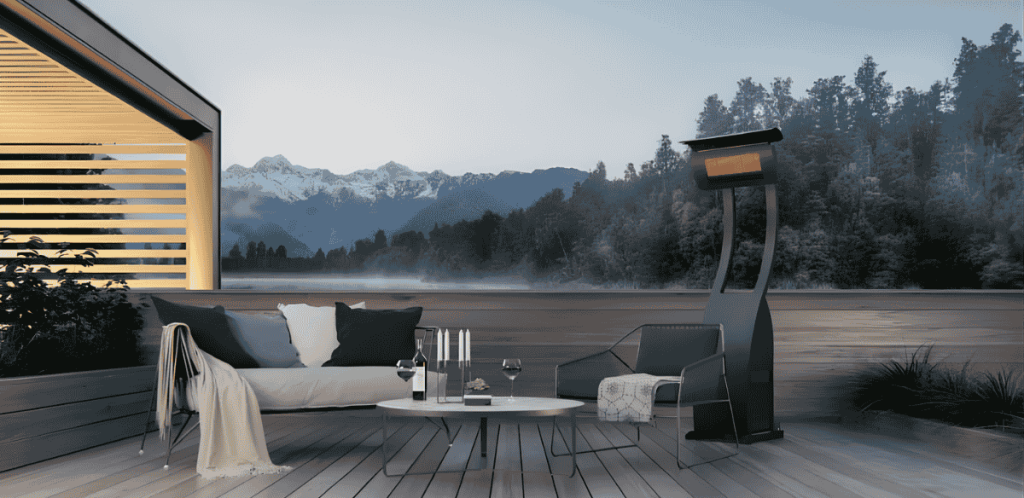
How Portable Outdoor Heating Can Extend the Island’s Entertaining Season
Portable outdoor heating can transform how you enjoy your patio, deck, or backyard year-round. Are you stuck debating which type of heater will suit your home better? Should you choose a permanent installation that stays in one location or a portable heat source that can be moved around? It all depends on how you intend to use your outdoor living space. Will you be entertaining guests? Or is your main goal to relax outside on a cool evening? Before committing to either option, we’re here to help you understand what makes portability valuable and when a fixed heater might serve you better. Let’s explore the key differences to help you determine which heating solution fits your lifestyle.
Key Takeaways
- Portable heaters offer flexibility with easy relocation, unlike fixed models, which require professional installation.
- Propane heaters deliver up to 38,500 BTUs of heat for large outdoor spaces, while electric models are efficient in smaller areas.
- Proper placement includes positioning heaters centrally, maintaining a 3ft clearance from flammable materials, and adding wind protection.
- Lightweight designs, weatherproof covers, and compatibility with various propane tank sizes enhance portability and convenience.
- Pairing outdoor heating with awnings and pergolas.
Portable vs. Fixed Outdoor Heaters: When Mobility Matters
When should you choose portable outdoor heating over a fixed installation? If you’re hosting gatherings in different areas of your yard, such as your patio, covered deck, or a commercial outdoor dining area, portable models offer the flexibility that permanent heaters can’t match. You’ll appreciate their lightweight design and the ease with which they move from location to location, letting you direct warmth exactly where it’s needed most.
Fixed heaters, such as natural gas models, provide steady warmth but require professional installation and cannot be relocated once installed. They’re limited to a single location, which limits where you can enjoy your outdoor space across different seasons.
Portable propane heaters often deliver higher BTU ratings than electric options, making them ideal for larger patios and decks. You can set them up immediately for instant use, while fixed installations require considerable time, planning, and professional expertise. For outdoor events and gatherings that demand flexibility, portable heating is the superior choice.
Electric, Propane, or Natural Gas: Fuel Type Comparison
Each fuel type heats your outdoor space differently, so understanding their unique benefits helps you select the right heating solution for your needs.
- Electric Portable Heaters
Electric models, like the Eclipse Smart-Heat™ Portable, are energy efficient and remarkably easy to use. You won’t need to store fuel, and they’re perfect for smaller covered areas that need quick, reliable warmth. They’re simple to set up, require minimal maintenance, and eliminate ventilation concerns entirely.
- Propane Heaters
Propane heaters produce powerful heat, delivering up to 38,500 BTUs, which makes them excellent for larger open spaces. They offer exceptional flexibility: you can connect them to standard 20-lb tanks or larger supplies, and they operate anywhere without requiring an electrical outlet. This versatility makes propane an outstanding choice for Vancouver Island homeowners seeking reliable heating, regardless of their patio’s location.
- Natural Gas Heaters
Natural gas heaters provide steady heating if you already have gas lines installed at your property. They’re convenient for permanent setups but typically deliver less power than propane alternatives.
Consider your space size, fuel accessibility, and whether you will need to move the heater frequently. Electric models offer the simplest operation, while propane and natural gas require additional safety measures due to combustion byproducts.
Optimal Positioning for Patios and Decks
Strategic heater placement transforms your outdoor space from uncomfortably cold to invitingly cozy while maintaining essential safety standards. Position your heater at least 3 feet away from flammable items, including furniture, umbrellas, decorative elements, and structural walls.
Place the heater centrally within your seating area, covering a 10-12-foot radius, so the warmth distributes evenly and keeps your guests comfortable. Many high-quality models feature adjustable tilting heads that let you direct warmth to specific areas where people gather on your patio or deck.
Protect your heater from wind by positioning it against a solid structure or using a windbreak, since most models perform optimally in winds of less than 13km/h. Strong gusts can significantly reduce heating efficiency and fuel economy.
Pairing Portable Outdoor Heating with Patio Covers and Pergolas
Creating the ultimate outdoor entertainment area goes beyond just adding heat. When you combine outdoor heating with high-quality awnings or pergolas from Pacific Awnings, you create a comfortable, weather-protected space that dramatically extends your outdoor season.
Enhanced Heat Retention with Patio Covers
Patio covers are a great option for outdoor heaters, providing durable overhead protection and helping manage heat more effectively. Solid patio covers can help reduce heat loss by limiting upward heat loss, creating a more comfortable, consistent patio environment during cooler months. Unlike fabric awnings, patio covers are designed to withstand higher temperatures, making them a safer, more practical option when heaters are in use.
Pergola Integration for Year-Round Comfort
Louverd Pergolas provide an ideal framework for strategically positioning portable outdoor heating units. The overhead structure creates a defined outdoor room that contains warmth more effectively than open-air spaces. You can position heaters beneath pergola beams to maximize coverage and protect them from wind and light precipitation, which typically reduces heating performance.
Frequently Asked Questions
- Are There Portable Outdoor Heating Systems That Run On Batteries?
Battery-powered heaters aren’t practical for outdoor spaces due to their severely limited heat output and short runtime. You’ll achieve far better results with propane, natural gas, or electric heaters that provide consistent, reliable warmth for extended periods. - What Safety Clearances Do I Need Around My Patio Heater?
Maintain at least 3 feet (or as recommended by the heater manufacturer) of clearance on all sides of your heater, keeping it away from furniture, umbrellas, overhead structures, and flammable materials. Never use outdoor heaters indoors or in enclosed spaces without proper ventilation. - Are Propane Patio Heaters Safe To Use On Wooden Decks?
Yes, propane heaters are safe on wooden decks when used properly. Ensure your heater has a stable base, maintain proper clearances, and never leave it unattended. Consider placing a fire-resistant mat underneath for added protection.
Choosing the Right Portable Outdoor Heating Solution for Your Space
Selecting the ideal heating system requires balancing power, convenience, and your specific outdoor living needs. You’ve learned how different fuel types affect performance, discovered optimal positioning strategies, and explored essential portability features that enhance usability. Now you’re equipped to make an informed decision that extends your outdoor season while providing the flexibility your lifestyle demands.
Ready to transform your patio into a comfortable year-round retreat? The team at Pacific Awnings specializes in helping Vancouver Island homeowners like you create inviting outdoor living spaces you’ll enjoy year-round.
Contact us today to discuss your portable outdoor heating needs and discover how we can help you maximize your backyard’s potential. Let’s work together to design the perfect outdoor comfort solution for your home.